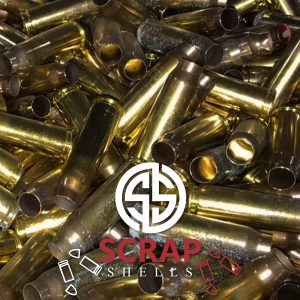
Ammo must be inactive to be reused. Live cartridges can’t be reused in light of the fact that they may detonate. The lead slug in live ammo pollutes the shell’s brass; along these lines, recyclers think that its difficult to isolate lead from brass. The brass shell packaging recycling framework comprises of:
-
Shells being arranged by material. Shell combinations are typically created utilizing brass, aluminum or steel. Periodically, they are plated with chrome, nickel, silver or even gold.
-
In the wake of being arranged, the shell must be expelled.
-
Shells are “flew” in a high-temperature furnace ensuing to being arranged. This powers any live adjusts to detonate.
-
After the shells are placed in a unique receptacle to cool, a quality control manager confirms the shells.
-
At that point, the shells are cleaned. Cleaners wash the shells to remove however much lead and earth as could reasonably be expected.
-
Auditors run the clean and “popped” shells through a shaker table. This checks what live adjusts and other undesirable materials ought to be expelled.
-
Next, a sledge factory or shredder takes the shells and twists them into littler pieces. At that point an aggregator machine takes these pieces and loads them for transportation.
-
At last, the shells are taken to a brass plant. Here, they are dissolved, consolidated and blended in with metallic components to achieve a particular mix. At that point, the shells are shaped into pole or ingot.
We buy scrap brass cartridges from wherever in the United States. In light of transportation costs, recycling brass shell casings that are further away can represent an issue. In any case, we will work with you to beat the difficulties.
In the wake of fathoming the recycling method, it is basic to comprehend why this procedure is critical.