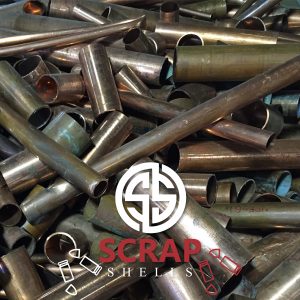
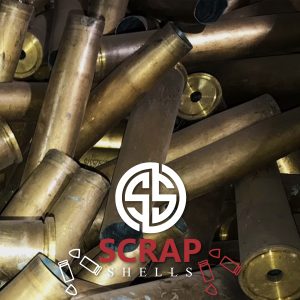
While there are numerous sorts of ammunition including steel , brass rules the most mainstream. With a plenitude of scrap brass ammo in use each day, there is an abundance of ammunition that is as a rule inaccurately discarded. This ill-advised disposing of prompts pollution and damage to the environment. In any case, scrap brass cartridges can be recycled through a basic procedure.
Before one can comprehend the recycling process, one must acquaint with the various parts of ammunition:
- The Projectile
- The Packaging
- Black Powder
- The Groundwork
Data on these parts is fundamental before beginning the recycling technique. The brass shell recycling process contains:
- Shells being arranged by material. Shell combinations are regularly contained brass, aluminum or steel. In some cases, they contain chrome, nickel, silver or even gold.
- Subsequent to being arranged, the shell must be disposed of.
- At that point, the shells are “flew” in a hot furnace in the wake of being arranged. This will make any live adjusts that may have snuck through detonate.
- Subsequent to cooling, a quality control director investigates the shells.
- Next, the shells are cleaned. These cleaners flush the shells to dispose of as much lead and earth as possible.
- Assessors at that point run the clean and “flew” through a shaker table which expels undesirable materials, for example, live adjusts.
- At that point, a mallet plant or shredder takes the shells and distorts them into littler pieces. This is so the aggregator machine can take these pieces and burden them for transportation.
- In the long run, the shells are taken to a brass factory where they are liquefied and joined with metallic components to accomplish a specific blend. When this is done, the shells are framed into pole or ingot.
This procedure of recycling brass shell casings can make a bounty of reusable materials. Since the technique has been explained, it is essential to know the effects a system like this can make.